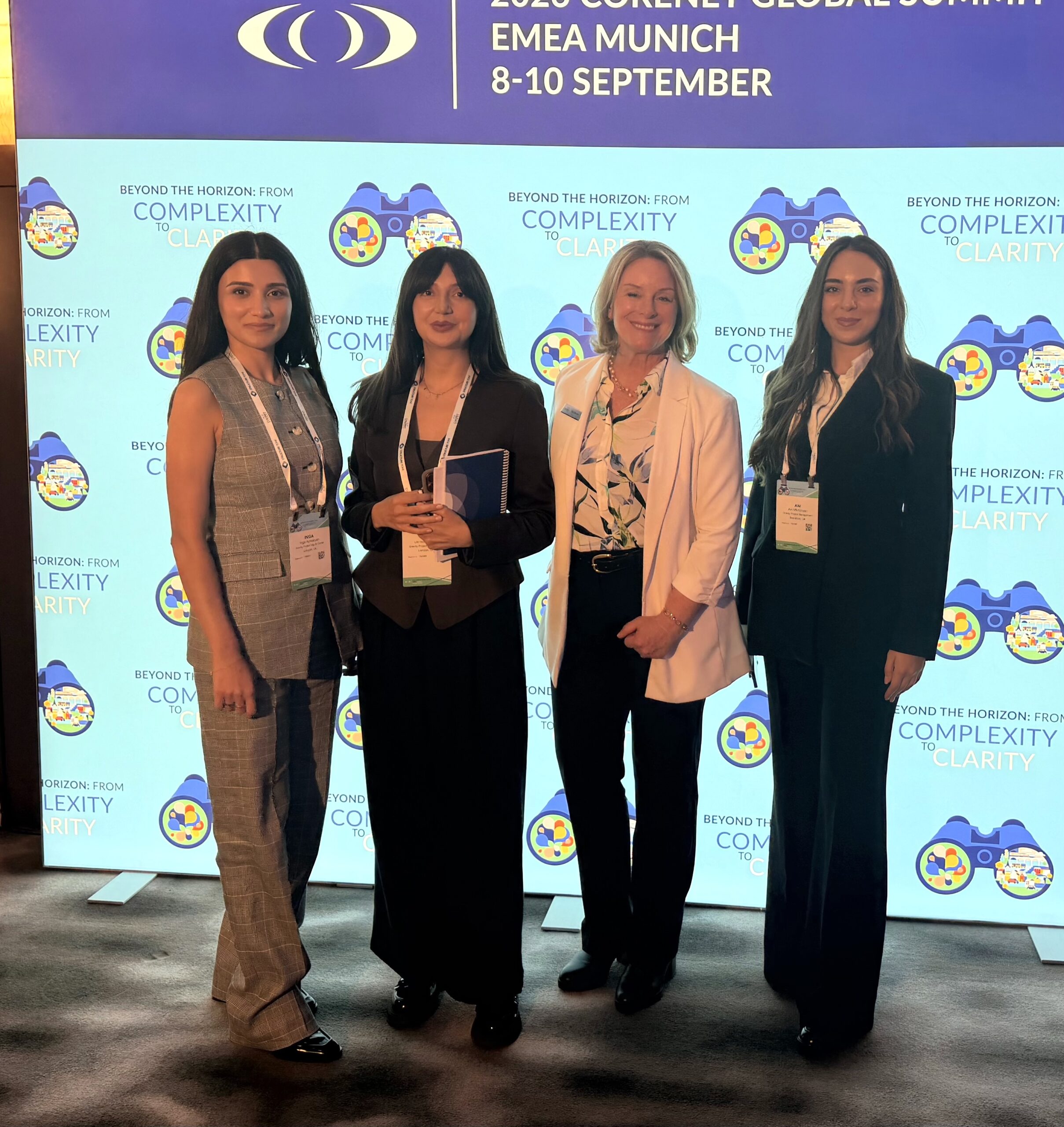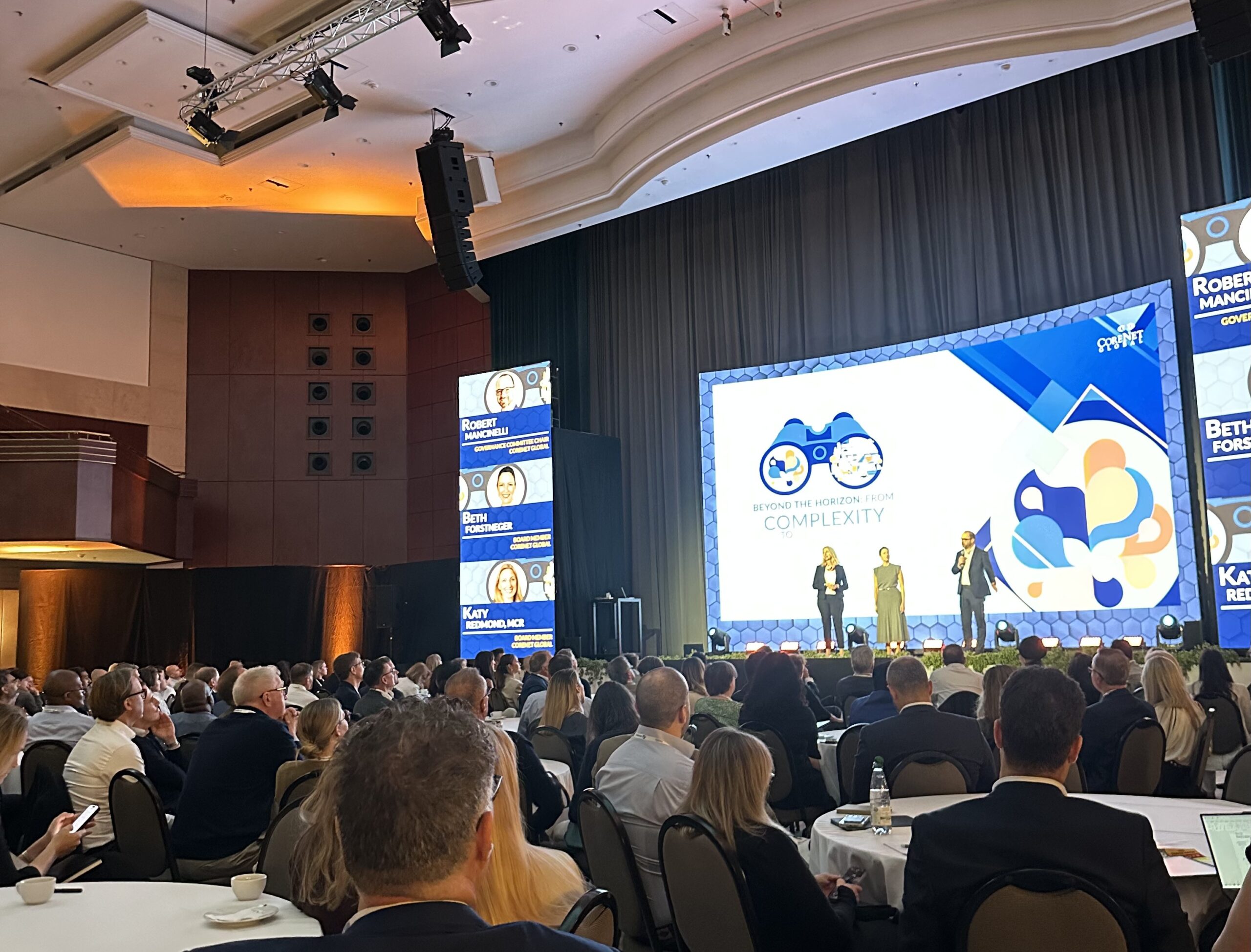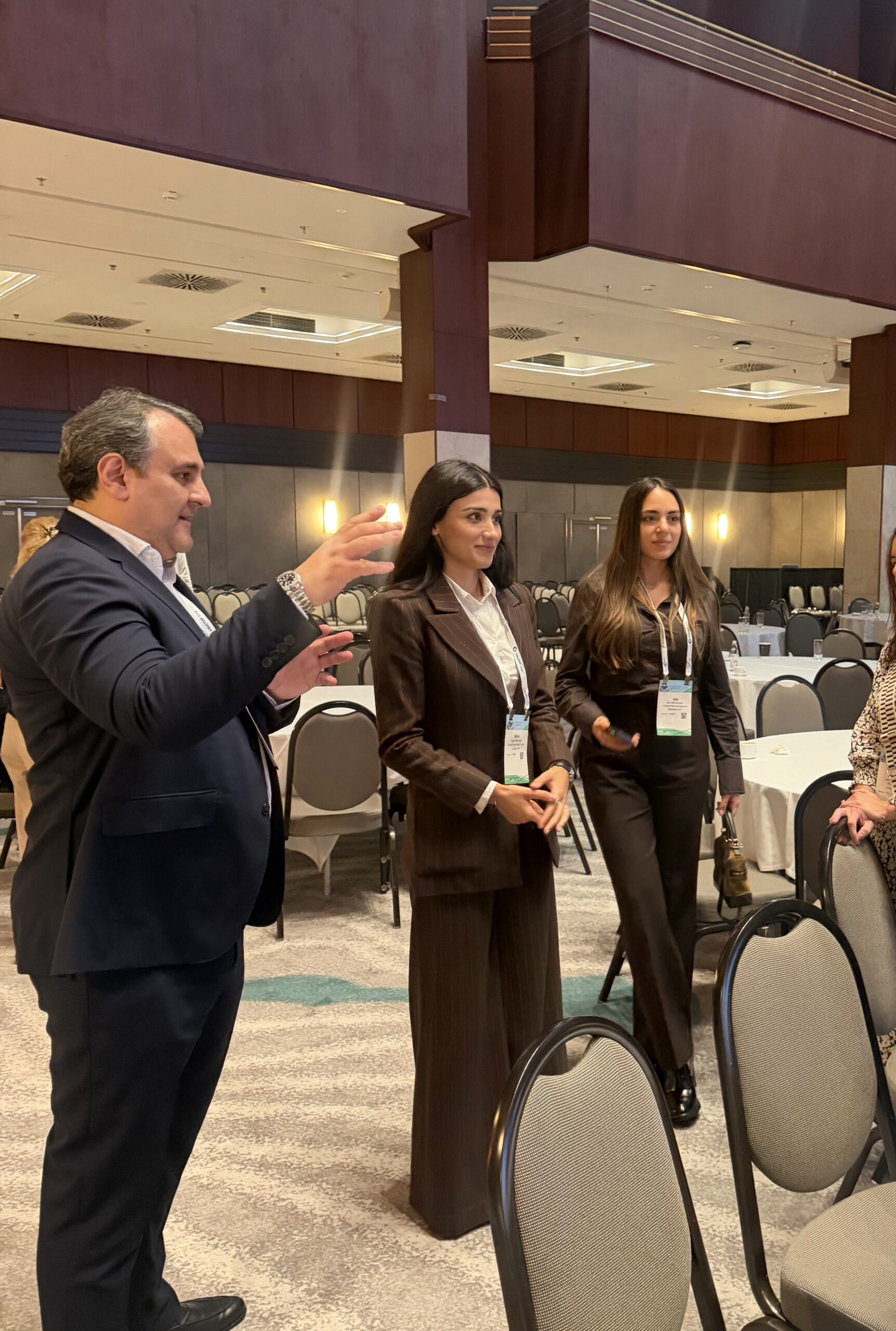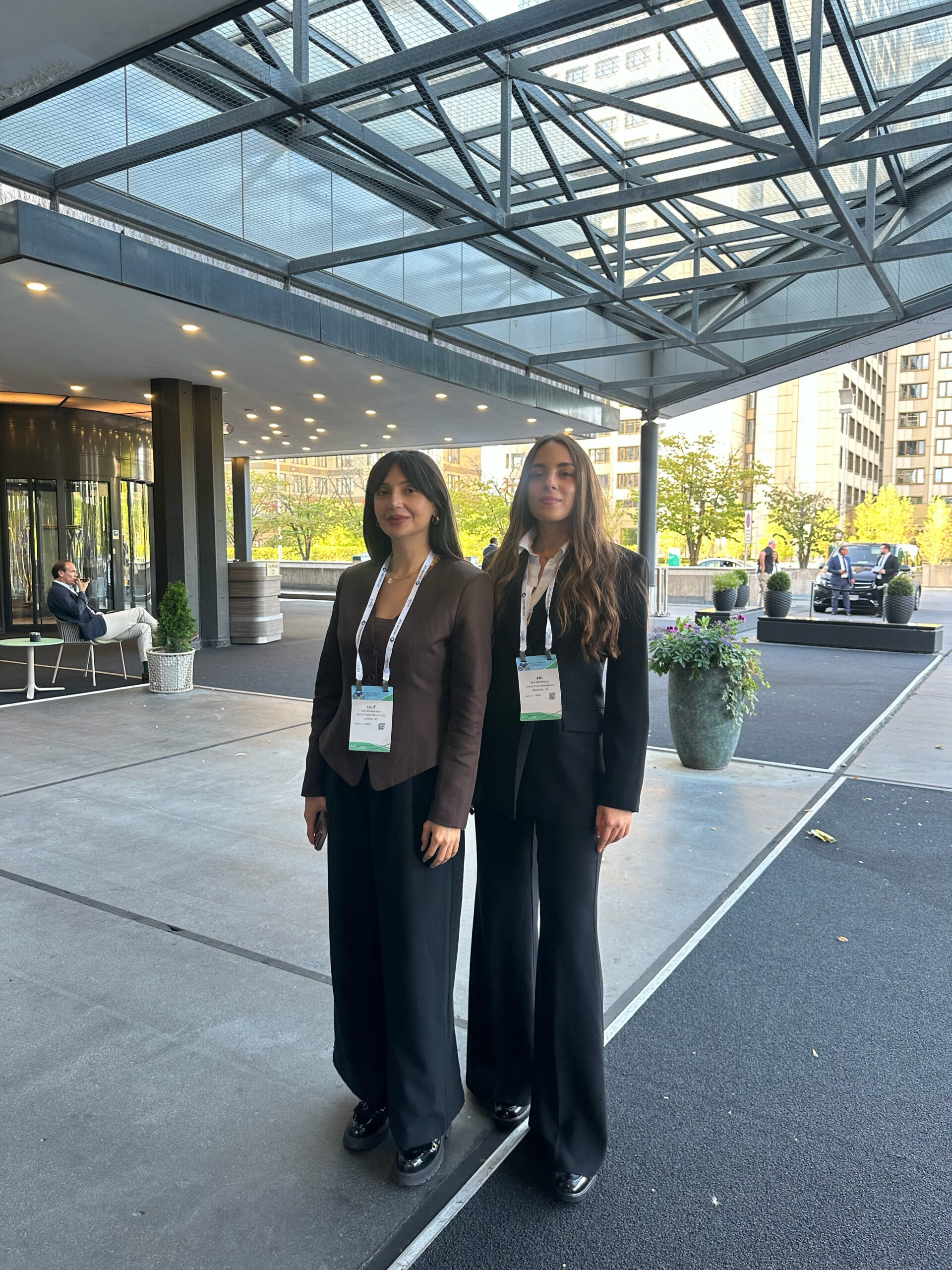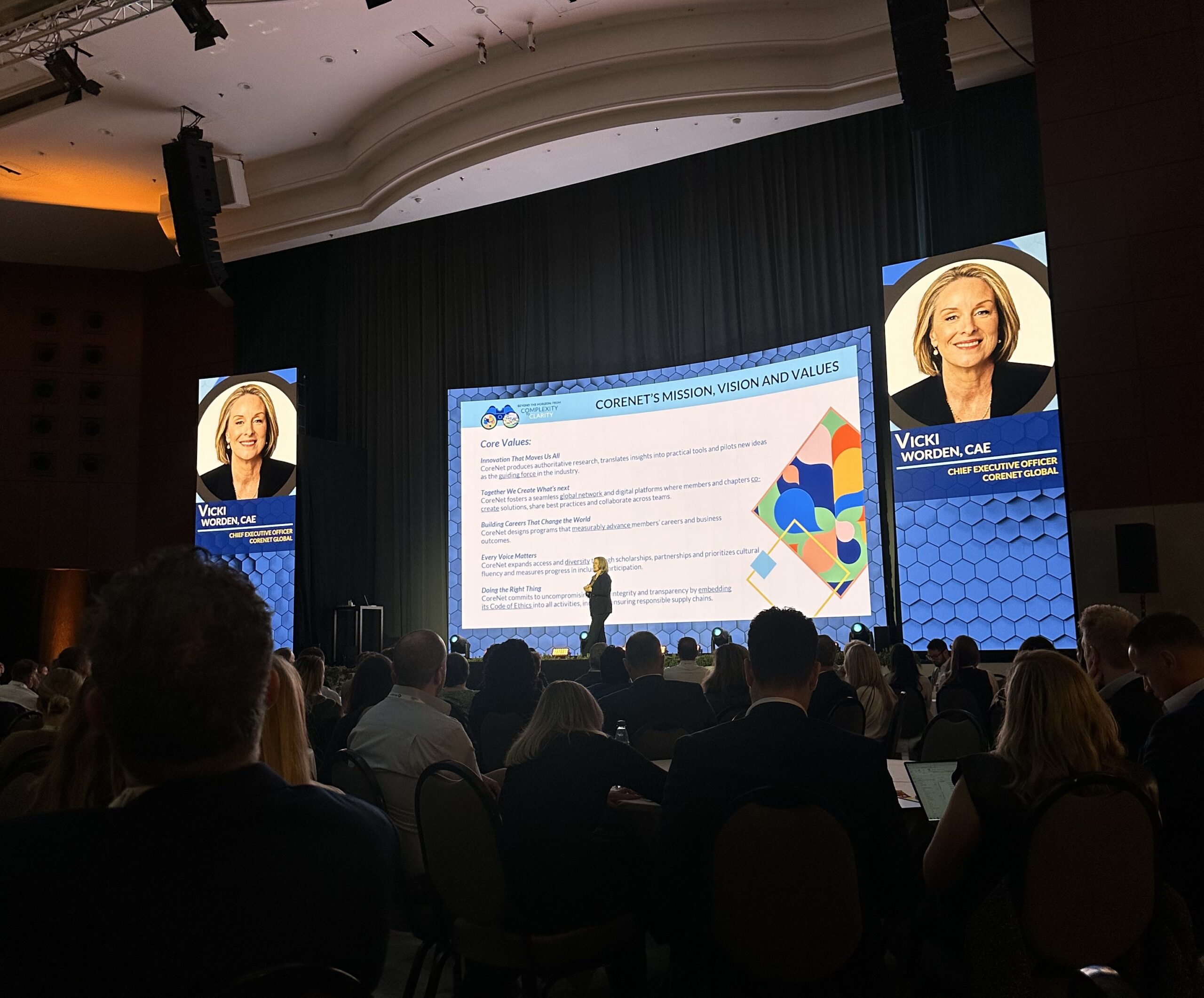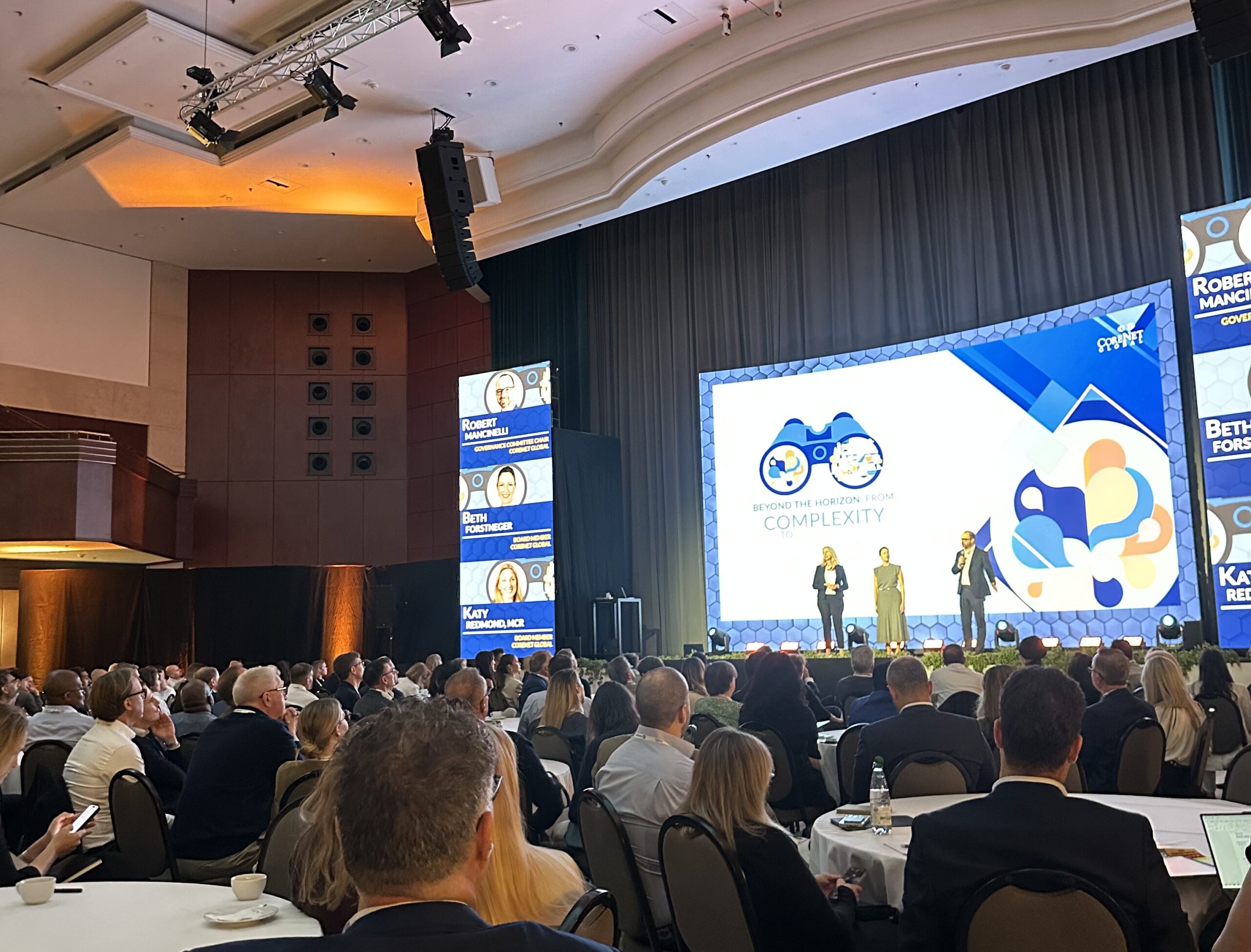
Earlier this September, Gravity joined corporate real estate leaders, occupiers, advisers and delivery specialists in Munich for one of Europe’s major corporate real estate summits.
Over three days, the conversations moved across strategy, technology, workplace transformation, sustainability, portfolio decisions and expansion into new markets. Different subjects, but the same underlying pressure kept surfacing: organisations are being asked to make decisions faster, while the environment in which those decisions must be delivered is becoming more complex.
For us, there was another layer to those discussions.
We were listening not only from the perspective of strategy, but from the perspective of the teams that eventually have to turn that strategy into something physical. A decision made in a boardroom eventually becomes a site, a regional expansion becomes a property search, then a programme, then permits, surveys, designs, procurement packages and contractor appointments. A sustainability target eventually becomes a specification, a workplace standard eventually becomes materials, systems, furniture, lighting, power, technology and hundreds of coordinated details that all need to work together. And that is where an important distinction became increasingly clear to us during the week:
Strategic complexity and delivery complexity are not the same thing. But increasingly, organisations need to solve both at the same time.
The strategy may be perfectly clear when it leaves the meeting room, and the real question is whether that clarity survives the journey to site. Because the theoretical optimum only creates value if it can actually be executed. A fast property decision followed by months of mobilisation is not fast expansion and a workplace standard that cannot be procured within the local market is not yet a deliverable design.
This does not mean construction should dictate corporate strategy. It means delivery intelligence increasingly needs to enter the conversation earlier. When project teams understand the realities behind a decision before the project begins, strategy becomes stronger and programme/cost become more realistic. As decision-making becomes faster, this connection matters even more.
Global occupiers understandably want consistency. Workplace principles, technical standards, ESG requirements, security, brand experience and reporting should not change simply because the geography does. But delivery environments do and a project that works perfectly in one market cannot always be copied directly into another. And perhaps it should not be. The more useful question is: what must remain fixed, and what can be adapted without compromising the original intent? That distinction can materially change an outcome. Knowing early what can be sourced locally, what needs to be imported, where an equivalent specification may improve programme or cost, how permitting operates and where contractor capability may affect the design allows a project to adapt intelligently rather than react late. This is particularly important when organisations move beyond their most established markets and delivery networks.
Local knowledge matters, and the local knowledge becomes much more valuable when it is connected to international expectations of quality, programme, reporting and performance.
This is where Gravity’s approach to integrated delivery becomes particularly relevant.
By bringing architecture, engineering, project management, procurement and construction closer together, we aim to create a continuous line between the client’s business objective and the physical result. It does not mean every project should follow the same structure. It means decisions remain connected and accountability remains visible. Because the people responsible for delivery stay close enough to the original requirement to understand not only what is being built, but why.
That, perhaps, was the strongest reflection from Munich.
The objective is not to eliminate complexity. The objective is to manage that complexity, while protecting the quality, performance and commercial intent behind the original decision. Because clarity is proven much later, when the project is finished and when the space is operating. When the business can use what has been created in the way it was originally intended.
That is when strategy has successfully become reality. And that is where we believe real value is built.